


Hibiscus / Gudhal Desi Plant in Nursery Pot
-
Produces large, vibrant blooms in red, yellow, pink, and other natural shades, adding a tropical and stunning visual appeal to gardens.
-
Known for its medicinal and traditional uses in hair care, skincare, and Ayurvedic remedies.
-
Easy to grow and fast flowering, thriving well in warm climates, pots, and garden spaces with minimal care.
-
Produces large, vibrant blooms in red, yellow, pink, and other natural shades, adding a tropical and stunning visual appeal to gardens.
-
Known for its medicinal and traditional uses in hair care, skincare, and Ayurvedic remedies.
-
Easy to grow and fast flowering, thriving well in warm climates, pots, and garden spaces with minimal care.

- Free shipping on orders over ₹199
- Delivers in: 2-3 Days Shipping & Return
🌺 Hibiscus / Gudhal (Desi Variety)
Hibiscus, known as Gudhal in India, is a stunning flowering plant famous for its large, vibrant blooms available in shades of red, yellow, white, orange, and pink. The desi variety is particularly hardy, fast-growing, and blooms generously in warm climates. It’s perfect for balconies, terraces, and gardens, and is especially valued in cultural rituals and herbal traditions.
🔆 Light Requirements
-
Ideal Light: Full sun — minimum 5–6 hours daily.
-
More sunlight = more flowers.
-
Tolerates: Partial shade, but flowering may decrease.
💧 Watering Guidelines
-
Watering Style: Keep soil evenly moist, especially during flowering.
-
Frequency:
-
Summer: 2–3 times per week
-
Winter: Once every 5–7 days
-
-
Important:
-
Avoid waterlogging — roots are prone to rot.
-
Water early morning for best growth.
-
🌾 Soil & Potting
-
Preferred Soil: Rich, fertile, well-draining soil.
-
Ideal Mix:
✔ Garden soil
✔ Cocopeat or sand
✔ Compost/manure
✔ A bit of perlite (optional) -
Pot Size:
Minimum 12–16 inches for healthy growth and flowering.
🌱 Fertilization
-
Feed regularly — hibiscus is a heavy feeder.
-
Schedule: Every 2–3 weeks during growth season.
-
Best Fertilizers:
✔ Organic seaweed or liquid fertilizer
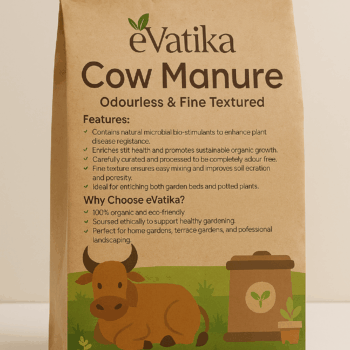
✔ Cow manure/compost every 2–3 months
✔ Low-phosphorus, high-potassium fertilizers for more blooms -
Avoid: High phosphorus fertilizers — can harm the plant.
✂️ Pruning & Maintenance
-
Prune: Light pruning after winters or flowering flush to encourage branching and more flowers.
-
Remove:
✔ Yellow leaves
✔ Dead branches
✔ Spent flowers (to prevent insect infestation)
🪴 Humidity & Temperature
-
Temperature Range: 18–35°C (64–95°F)
-
Loves warm, tropical climates.
-
Protect from frost and extreme cold.
🌼 Blooming Notes
-
Blooms best from spring to late autumn.
-
Some varieties may bloom year-round in warm climates.
-
Each flower typically lasts 1–2 days but new blooms appear constantly.
🐛 Common Issues
-
Aphids, mites, and whiteflies may appear.
✔ Treat with neem oil every 10–15 days as prevention. -
Yellow leaves may indicate:
❌ Overwatering
❌ Lack of nutrients
❌ Poor drainage
🚫 Toxicity
-
Mildly toxic if eaten in large amounts by pets, but generally safe and commonly used in herbal applications.
✅ Why Choose Hibiscus / Gudhal?
🌸 Beautiful Large Flowers — a stunning visual centerpiece.
🌿 Hardy & Heat-Tolerant once established.
🌼 Frequent Blooming with simple care.
🪷 Cultural Value — widely used in rituals and hair/skin remedies.
Reviews
There are no reviews yet.